Skip to content
  • Gen Surg

    B Stations
    9
    1
    0 Votes
    9 Posts
    132 Views
    A
    Gastro-Oesophageal Reflux Disease Doctor Instruction: You are a Foundation Year 1 Doctor working in the Emergency Department. Your next patient is a 42-year-old woman (Anne) presenting with abdominal pain. Please take a history and perform an appropriate examination. Patient History: Anne, a 42-year-old retired hairdresser. This morning at around 3am, you woke up from having tummy pain. Described as a sharp/burning sensation that started at the bottom chest centrally and radiated up to the neck. It is intermittent and lasts for a few seconds. Pain score: 5/10. You are known to have angina, and so you took a GTN spray, but it didn't help. You feel a bit nauseous but no vomiting; you had some retching (and a bad taste in the back of the throat). Pain tends to be worsened or triggered when you try to go back to bed and lay flat. If asked specifically, you remember having quite a big family meal when your friend came to visit the night before. No weight loss. No tiredness. No erosion in teeth. No bad-smelling mouth. No lump in the throat. No bloating. No nocturnal cough. No hoarse voice. Bowels working normally with no bloody stool. No breathing difficulty. No dysphagia. No LOC. No dizziness. No palpitation. No obvious chest pain. Ideas, Concerns, Expectations: You are not sure what is going on. You are worried that you had a heart attack and may die because of this since it is quite close to the chest. You want to be seen by a cardiologist and have some medications to help prevent having this pain again. You want to live! Past Medical History: Hypertension Stable angina - well-controlled Obesity Chronic Lower Back Pain Drug History: Amlodipine, GTN spray PRN, Atovastatin, ibuprofen NKDA Family History: Type 2 DM (Dad, age 44) Colon Cancer (Dad, age 65) Social History: Smoker – 10 cigarettes/day for 20 + years Drink a small glass of gin and tonic every night Hairdresser Drink 2 cups of coffee a day. Examination Findings: The patient is alert + comfortable at rest, with no signs of breathing difficulties. No clinical signs of anaemia. Some mild discomfort palpating the epigastric region. Abdominal examination is otherwise normal. PR exam is normal - no melena or blood in the stool. Differentials: GORD Gastritis Peptic ulcer Hiatus Hernia Oesophagitis / Oesophageal spasm To rule out cardiovascular causes: Stable Angina / ACS / AAA Investigations: Bedside: Observations ECG – rule out cardiac cause Bloods: FBC, CRP, U&Es, LFTs, Bone Profile, Troponin (if suspecting cardiac cause) Imaging: CXR/AXR (?Hiatus hernia) Special Tests: Consider serology/ urea breath test/ stool antigen, rapid urease test (H-pylori testing - ensure not taken PPI 2 weeks prior to testing) Barium swallow - assess dynamics, assess motility disorder, assess for hiatus hernia Oesophageal pH monitoring / Manometry - Assess for motility & regurgitative Disorders Consider OGD (Savary-Miller grading/ Los Angeles Classification) - allows direct visualisation and biopsy for histology. Data Interpretation: Patient Details: Alexander Great Age: 42 Date of Request: 18/04/2023 ​ Value Reference Range ​ Hb 125 g/L 115 - 165 g/L ​ White Cell Count 7.5 x10^9/L 3.6 - 11.0 x10^9/L ​ Platelets 257 x10^9/L 140 - 400 x10^9/L ​ Haematocrit 0.47 x10^12/L 0.40 - 0.54 x10^12/L ​ MCV 94 fL 80 - 100 fL ​ Neutrophils 3.7 x10^9/L 1 - 7.5 x10^9/L ​ Monocytes 0.7 x10^9/L 0.2 - 0.8 x10^9/L ​ Lymphocytes 3 x10^9/L 1 - 4 x10^9/L ​ Basophils 0.03 x10^9/L 0.02 - 0.1 ​ Eosinophils 0.1 0.1 - 0.4 ​ ​ ​ ​ ​ H. Pylori Stool Antigen Test Negative ​ Interpretation of Blood Results: ree Interpretation of OGD Image: Management (GORD): Conservative: Lifestyle changes: stop smoking, weight loss, reduce alcohol intake, sleep more upright, small + regular meals, avoid eating big meals/ alcohol/ hot drinks before bed, avoid triggering diet e.g. spicy food, citrus, chocolate, caffeine, carbonated drinks, alcohol, manage stress level Review medications that can cause reflux, e.g. NSAID, steroids, bisphosphonates, nitrates, calcium channel blockers, alpha/beta agonists, theophylline, anticholinergics Antacids e.g. Gaviscon PPI e.g. omeprazole H2 antagonist e.g. Ranitidine Patient Education Safety netting for uncontrolled and red flag symptoms e.g. ACS Medical: Eradication therapy if tested positive for H. Pylori (PPI plus 2 antibiotics e.g. amoxicillin and clarithromycin) for 7 days. Surgical: Surgery for reflux e.g. fundoplication, magnetic sphincter augmentation. Viva questions: What are the complications of untreated acid reflux? Esophagitis: Inflammation and pain in the esophagus. Barrett's Esophagus: Increased risk of esophageal cancer. Strictures: Narrowing of the esophagus. Esophageal Ulcers: Painful sores in the esophagus. Respiratory Issues: Coughing, wheezing, and asthma exacerbation. Dental Problems: Tooth enamel erosion and oral health issues. Chronic Cough: Persistent cough unrelated to respiratory problems. Laryngitis/Voice Changes: Hoarseness and vocal cord inflammation. Asthma Aggravation: Worsening of asthma symptoms. Difficulty Swallowing: Dysphagia due to esophageal changes. Esophageal Cancer: Increased cancer risk over time. What are the complications of long-term management with omeprazole? Electrolyte disturbance e.g. magnesium Low bone mineral density - interference in gastric pH which can alter calcium absorption What is Barrett's Oesophagus? Barrett's esophagus develops due to chronic acid reflux (GERD). Acid irritates the esophagus, prompting the lining to transform into a type more resistant to acid, called columnar cells. This change is known as metaplasia, resulting in Barrett's epithelium. This condition increases the risk of esophageal cancer, making regular monitoring crucial. What are the red flag symptoms or signs for urgent OGD? Haematemesis or melena Dysphagia Unintentional weight loss Treatment-resistant Early satiety Recurrent vomitting
  • Vascular

    B Stations
    4
    0 Votes
    4 Posts
    60 Views
    A
    Skin Infection Doctor Instruction: You are the on-call surgical senior hour officer covering Vascular Surgery and Plastic Surgery. Your next patient is called Lui, who is a 56-year-old man coming in with left leg pain. Please take a history and perform an appropriate examination. Patient History: Lui, a 56-year-old male, retired. Since last week, you have been getting worsening lower left leg pain around the on-going ulcer located at the front of your left lower leg. This ulcer has been there for many years, and the area around it is getting redder and warmer to touch. The skin feels really tense and thickened and looks swollen compared to the other leg. You are unsure if you have a fever as you don’t own a thermometer at home, but you sometimes shiver with occasional night sweats. Your appetite has reduced. You do not feel well. You feel tired. No fluid-filled blisters. No bleeding or discharge. No recent trauma or injury. No insect bites. No recent surgeries or immobility. No nausea or vomiting. No itchiness. The joints are normal. No abnormal sensation. No weakness. Ideas, Concerns, Expectations: You have no idea what this might be, but you heard from your friend that this might be something called “?DVT”, which your friend had following a hip replacement in the hospital. You are concerned about this, so you would like to find out what is happening! Past Medical History: Diabetes, obesity, venous insufficiency, venous ulcer left lower leg, IBD Drug History: Metformin, atorvastatin, azathioprine NKDA Family History: Diabetes, HTN Social History: Drink 2-4 cans of beer a night. No recreational drug use. Non-smoker. Live alone in a Bungalow – you will often have district nurses around for wound care of your ulcer for the past few years. Retired. Examination Findings: Venous ulcer at anterior left lower leg with surrounding warm and tender erythematous skin. Poorly demarcated redness. No skin crepitus. No blisters or vesicles. Varicose veins can be seen in both lower legs. No necrotic / gangrenous tissues. No pitting oedema. No toe-web abnormalities. – e.g. fissures, scaling, maceration. No injury/trauma site. Neurovascular intact. CRT < 2seconds. Differentials: Cellulitis Erysipelas Rule out DVT Rule out pyoderma granulosum/ necrotising fasciitis Superficial thrombophlebitis Varicose eczema Investigations: Cellulitis can be diagnosed clinically. Consider wound, skin swab/blood culture/aspiration/biopsy if appropriate. Consider referral to be seen at the hospital and for bloods if the patient is systemically unwell: FBC, CRP, U&E, LFT, Bone Profile, culture and perform sepsis 6 Consider assessing diabetic control: BM, serum glucose, hba1c Consider XR, USS, or MRI for assessing the spread of infection, e.g. bone, gas in subcutaneous tissue, abscesses, or involving foreign bodies…etc., at the hospital. Management: Conservative: Rest, elevation of affected limb and analgesia, e.g. paracetamol/ NSAID / opioid. Hydration VTE prophylaxis/assessment Clean affected site: irrigation, debride devitalised tissues if appropriate. Emollient to moisturise skin Imaging/drawing to assess the progression of spread/resolution with follow-up. Assess tetanus risk and status if punctured wound or laceration Safety netting if non-improving or worsening symptoms/ signs 48 hours after the course of antibiotic Medical: Consider hospital admission for severe cellulitis, immunocompromise, significant comorbidity, social issues, systematic illness, non-responsive to oral treatment, further deterioration, necrotising fasciitis, and orbital cellulitis. Consider referral to dermatology, surgery, or other specialists if appropriate for urgent review or advice. Flucloxacillin (Oral/IV), alternative: erythromycin, clarithromycin, clindamycin, doxycycline, co-amoxiclav. If MRSA is suspected, consider adding one of vancomycin, teicoplanin or linezolid to standard treatment. Long-course antibiotics for patients with lymphoedema until signs of acute inflammation have resolved – may take 1-2 months. Course otherwise is generally for seven days and can be extended to 10-14 days to ensure complete resolution. Surgical: If presenting crepitus/ necrotic appearing skin, this requires urgent surgical intervention to exclude necrotising fasciitis. Crepitus also requires urgent debridement of tissue. If symptoms or signs of osteomyelitis, or septic arthritis, this requires urgent orthopaedic input. Prevention: Good diabetic control Good wound/ulcer management: regular use of absorbent but non-adhesive dressing, aspirate / deroof blisters using aseptic technique as per local protocol Weight control Treatment of athlete’s foot if present For chronic limb swelling: elevation, calf muscle exercises, compression stockings (only when acute cellulitis has resolved) Appropriate footwear, treat neuropathy in diabetes and avoid injury to the skin. Consider antibiotic prophylactics for recurrent cellulitis under specialist guidance, e.g. phenoxymethylpenicillin 250mg BD/ erythromycin 250mg BD. Viva Questions: Explain the pathophysiology of cellulitis. Cellulitis is caused by bacteria entering the skin through cuts, bites, or breaks. These bacteria trigger an immune response, causing inflammation, redness, swelling, and pain. Immune cells gather to fight the infection, leading to widened blood vessels and fluid leakage into the tissue (edema). This process can damage the surrounding tissue. If the infection spreads through lymphatic vessels, red streaks may appear, and nearby lymph nodes can become swollen. What are the risk factors of cellulitis? Skin breaks (cuts, bites). Weakened immune system. Impaired circulation. Lymphatic issues. Chronic skin conditions. Obesity. Prior cellulitis. IV drug use. Age-related factors. Unhygienic conditions. Trauma. What are the common pathogens associated with cellulitis? Staphylococcus aureus (including MRSA). Streptococcus pyogenes. Other Streptococci. Other Staphylococci. Haemophilus influenzae (less common). Gram-negative bacteria (in specific cases) What is the Eron Classification for assessing the severity of cellulitis? ree What are the complications of cellulitis? Abscess formation. Bacteremia (bacteria in bloodstream). Lymphangitis (infection spreads via lymphatics). Lymphadenitis (swollen lymph nodes). Necrotizing fasciitis (rare, severe tissue infection). Sepsis (systemic infection). Chronic cellulitis recurrence. Functional impairment and scarring.
  • Urology

    B Stations
    7
    0 Votes
    7 Posts
    88 Views
    A
    Pyelonephritis Doctor Instruction: You are currently a senior surgical doctor on call. Your next patient is Jane – a 35-year-old woman presenting with a fever. Please take a history and perform a relevant examination. Patient History: Jane Doe - a 35-year-old female - office worker. You have been feeling unwell for the past few days. Today you took a temperature which was found to be 38.0 degrees C as you had some shivering. Before the fever started, you remember developing a sudden worsening back pain on the lower left side which is associated with nausea and vomiting (no blood or faecal matter – just food). Pain comes in waves and is sharp – rating it a 7/10 pain score. Your urine also looks darker than usual and smells nasty, with blood in it. You have been going to the toilet more often than usual. You feel unwell. You currently have a poor appetite. Not known to use a catheter. No diarrhoea. No cough. No breathlessness. No flu-like symptoms. No weight loss. No night sweats. Haven't eaten anything abnormal lately. Ideas, Concerns, Expectations: You have no idea what is going on. You think you have an infection but do not know what might be causing it. It might be renal stones. You are concerned because of not feeling your usual self. You want to receive some antibiotics. Past Medical History: High BMI, diabetes type 2 + renal stones (no known urological problems/ procedure in the past) + HIV (positive) Drug History: Metformin NKDA Family History: Renal stones Social History: You live alone in a flat. Ex-smoker – used to smoke 10 cigarettes a day for 10 years. You do not drink. You currently work as an office worker. Examination Findings: Renal angle tenderness (left) + suprapubic tenderness without guarding. No obvious lymphadenopathy. Differentials: Pyelonephritis Cystitis / Urethritis Renal stones / hydronephrosis / post renal problems LUTI Pelvic inflammatory disease/ gynae problems Investigations: Bedside: Observations Pregnancy test (to rule out pregnancy/ectopic) Urine Dipstick /MSU Bloods: Blood sugar level, hba1c (diabetes control due to being a risk factor, FBC/ CRP (raised WBC/ CRP in infection) + U&E (renal function) + LFT / bone profile (baseline / rule out any liver pathology causing high temperature), blood culture Imaging/Special Test: CT KUB (if diagnosis in doubt/ no improvement after 72 hours of treatment/ deterioration) USS KUB (post-renal/ structural abnormalities/ stones) Consider MRI ( in pregnancy/children where renal infection, masses and urinary obstruction are suspected) Consider MCUG (to identify reflux) Consider intravenous pyelogram (small kidneys/ ureteric/ caliceal dilatation/blunting with cortical scarring) Consider renal biopsy (to exclude papillary necrosis – risk is increased ) For recurrent/ chronic pyelonephritis, consider DMSA (to check for scarring and renal damage) Management (Pyelonephritis): Conservative: Rest, hydration, analgesia, /anti-pyrexetics / safety netting / patient education Admit (indication: pregnant women, severe vomiting, relapse of symptoms, inadequate access to follow-up, social issues, non-concordance with treatment, uncertain diagnosis, oliguria/ anuria, urinary tract obstruction, severe pain, dehydration, inability to take fluids/ medication, signs of sepsis, co-morbidities e.g. diabetes) Withhold nephrotoxic medications in acute pyelonephritis Medical: Antibiotics e.g. cefalexin/ co-amoxiclav/ trimethoprim/ ciprofloxacin. (avoid ciprofloxacin/trimethoprim in pregnancy) Initiate sepsis 6 Severe cases: dialysis / renal transplantation Surgery: If the patient does not respond well to treatment, consider renal abscess or kidney stone causing an obstruction. Consider urology referral - surgery to drain renal/perinephric abscesses / to relieve obstructions causing infection e.g. stones / stenting Prevention: Consider prophylactic treatment for those who have symptomatic infection >=3x a year e.g. trimethoprim Viva Questions: Explain the pathophysiology of pyelonephritis. Bacterial Entry: Bacteria, commonly Escherichia coli, enter the urinary tract, often from the urethra, and ascend towards the kidneys. These bacteria multiply, causing infection. Inflammation of Renal Tissue: The bacteria invade the renal parenchyma, leading to inflammation in the renal pelvis and the kidney tissue. Release of Inflammatory Mediators: This invasion triggers an immune response, leading to the release of inflammatory mediators, causing damage to the renal tissues. Obstruction or Reflux: Factors like urinary tract obstructions or vesicoureteral reflux (backward flow of urine from the bladder to the kidneys) can contribute to the persistence and severity of the infection. Symptoms: Patients experience symptoms like fever, chills, flank pain, abdominal pain, nausea, vomiting, and urinary symptoms like frequent urination and pain during urination. Complications: Without proper treatment, pyelonephritis can lead to abscess formation, sepsis, kidney damage, and potential scarring of renal tissue. What are the risk factors of pyelonephritis? Urinary Tract Abnormalities: Structural issues like kidney stones, blockages, or conditions that cause urine to flow backward towards the kidneys (vesicoureteral reflux) increase the risk. Urinary Tract Obstructions: Conditions that hinder normal urine flow, such as an enlarged prostate, tumors, or strictures, can raise the likelihood of infection. Catheter Use: Individuals with urinary catheters are at a higher risk due to the potential for introducing bacteria into the urinary tract. Gender: Women have a higher susceptibility due to shorter urethras, which make it easier for bacteria to enter the urinary tract. Pregnancy: Changes in the urinary tract during pregnancy can increase the risk of urinary tract infections, including pyelonephritis. Weakened Immune System: Conditions or treatments that compromise the immune system, such as diabetes, HIV/AIDS, chemotherapy, or certain medications, can elevate susceptibility to infections. Recurrent Urinary Tract Infections: Individuals with a history of frequent UTIs are at a higher risk of developing pyelonephritis. What are the most common pathogens causing urinary tract infections? The most common pathogens causing urinary tract infections (UTIs) include: Escherichia coli (E. coli): E. coli is the most prevalent bacteria responsible for the majority of urinary tract infections. Staphylococcus saprophyticus: Particularly common in young sexually active females, this bacterium is another frequent cause of UTIs. Klebsiella pneumoniae: This bacterium is known to cause UTIs, particularly in individuals with a compromised immune system. Proteus mirabilis: Commonly found in complicated UTIs, this bacterium is known to form kidney stones and contribute to recurrent infections. Enterococcus species: Enterococci are becoming more prevalent as causative agents of UTIs, especially in healthcare settings. What are the complications of pyelonephritis? Sepsis: The infection can spread to the bloodstream, causing sepsis, a severe and life-threatening condition. Kidney Scarring: Prolonged or recurrent infections can lead to scarring of kidney tissue, potentially affecting kidney function. Kidney Abscess: Formation of abscesses in the kidney, leading to localized collections of pus. Chronic Kidney Disease (CKD): Severe or untreated pyelonephritis can contribute to the development of chronic kidney disease. High Blood Pressure (Hypertension): Kidney damage due to persistent infection can lead to hypertension. Renal Papillary Necrosis: A rare but severe complication causing the death of kidney tissue.
  • SBAR 2

    Surgery
    3
    0 Votes
    3 Posts
    219 Views
    A
    S — Situation “Hello, it’s David, the SHO on Ward 4G. I’m calling about Mrs Eleanor Thompson, DOB 15/06/1942, who is post-operative day 2 following a right mastectomy with axillary lymph node clearance. She has developed new right axillary swelling, discomfort, and mild shortness of breath, and I’m concerned about a possible early postoperative complication.” B — Background “She has moderate COPD, mild left ventricular failure, and hypertension. Her surgery two days ago was uneventful with 150 mL blood loss, and a drain was inserted. Since yesterday, her temperature has been slowly rising from 36.9 to 37.2 today. Importantly, the drain has had no output today, and the axilla appears swollen and mildly tender. Her daughter is requesting discharge today due to family childcare pressures, but given the clinical changes I feel this is unsafe.” A — Assessment “On examination, she has a swollen right axilla, mild tenderness, and no drain output. Her pain is controlled, and observations are otherwise stable apart from very mild temperature rise. Her bloods today show: WCC 10.2, Hb 11.5, platelets 230. My concern is a postoperative seroma, haematoma, or possibly early infection, or a blocked drain. Given her comorbidities and mild SOB, I also want to rule out cardiopulmonary causes.” R — Recommendation “I’d like you to review her urgently, please. I’d appreciate guidance on whether to: Attempt drainage (needle aspiration) or re-site/flush the drain, Start empirical antibiotics, Arrange ultrasound of the axilla, And confirm whether you agree she should not be discharged today. Could you please come to review her on Ward 4G, or advise on the next immediate steps?”
  • SBAR 1

    Surgery
    3
    0 Votes
    3 Posts
    107 Views
    A
    Model answer SpoilerC — SCRIPTED SBAR PHONE CALL (9-minute phone station — candidate lines) (Opening / identification) “Hello, I’m Dr X, a SHO from the Emergency Department. May I ask who I’m speaking to? … I’m calling about a patient called Jane Doe, DOB 15/04/1963, hospital number 0123456 — a 62-year-old lady who arrived 15 minutes ago with a suspected intracerebral haemorrhage. I’d like you to review the patient.” SpoilerS — Situation (short) “She has an acute left basal ganglia intracerebral haemorrhage on CT with intraventricular extension. She arrived 15 minutes ago and is currently in ED resus bay 2.” SpoilerB — Background (brief relevant items) “Key background: Atrial fibrillation on warfarin. Hypertension. Allergies none. On arrival her GCS is 13 (E4 V4 M5), left-sided weakness with power 2/5 in left arm and leg, blood pressure 210/112 mmHg, SpO₂ 97% on air. Point-of-care INR 3.2.” SpoilerA — Assessment (clinical status & investigations) “CT head performed shows a ~3.2 cm left basal ganglia bleed with intraventricular extension; no acute hydrocephalus on initial CT. We’ve given IV labetalol 20 mg once and started oxygen 2 L/min. IV access established, bloods including clotting and group & save sent. She is NBM and being monitored. I’m concerned about ongoing anticoagulation (INR 3.2) and the high blood pressure.” SpoilerR — Recommendation (what you want them to do) “I would like urgent neurosurgical review to assess for surgical intervention/need for transfer. I also recommend immediate reversal of warfarin with PCC and IV vitamin K — could you authorise this or come see? Please advise BP target and agent; if agreeable we plan to target systolic <140 mmHg. Finally, please advise level of care (HDU/ITU) and whether you want a CT repeat and timing. I can send you the CT images to review on PACS and have the patient ready for review now in resus bay 2 — can you come to ED or should we arrange transfer?” Close “Thank you — I’m able to give you further information or bring the patient to the neurosurgical unit if advised. My contact is bleep 321. Do you need any additional details now?” D — Examiner / Marking tips & likely questions to expect Key points examiners look for (communication and clinical content): Clear identification and succinct SBAR structure. Immediate recognition of reversible causes and time-sensitive actions: urgent reversal of warfarin (PCC + vitamin K) and BP control. Clear request for neurosurgical review and suggestion of level of care (HDU/ITU). Safe airway plan (NBM, prepare for decline), monitoring plan and clear escalation triggers. Appropriate documentation: CT findings, GCS, observations, anticoagulant status and INR. Likely follow-up questions the examiner/onsite consultant may ask (prepare short answers): “What is the exact CT finding?” → Left basal ganglia ICH ~3.2 cm with intraventricular extension; no acute hydrocephalus. “What’s her INR and when was last warfarin dose?” → INR 3.2 (POC); husband reports she took warfarin that morning. “What have you given already?” → IV labetalol 20 mg once; oxygen; analgesia; IV access; bloods sent. “What BP target do you propose?” → Target systolic 130–140 mmHg if tolerated; recommend nicardipine infusion if boluses fail. “Is she a surgical candidate?” → Unsure — needs neurosurgical assessment; size and intraventricular extension raise concern; recommend urgent neurosurgical review for EVD/consider decompression/transfer. Pitfalls to avoid in the station Missing anticoagulation status. Forgetting to ask for neurosurgery. Not naming a BP target or asking for specific reversal agents. Failing to document GCS or a change in GCS as an escalation trigger.
  • isb9 Lower limb

    Spotter
    6
    1
    0 Votes
    6 Posts
    260 Views
    A
    [image: 1761397964716-452eaefd-0748-46d1-98ac-c05d52e545e9-image.png]
  • Back pain

    History
    3
    0 Votes
    3 Posts
    109 Views
    A
    Examiner: Please summarize your case. "Mrs Janice Green is a 54-year-old woman with 4 months of chronic lower back pain, dull and aching, sometimes shooting down both legs to her feet, increasing in intensity, keeping her awake at night, worsening. She denies numbness, weakness, or bladder/bowel problems. She has hypertension, is unemployed, and she primary carer for her disabled husband, reporting significant stress and functional limitation. She has had a previous MRI, and no other systemic symptoms. This is most likely mechanical back pain, but red flags include night pain and possible weight loss, so further evaluation and broad support are appropriate." Examiner: How would you manage this patient? I would inform my seniors, perform a clinical examination, and order some investigations including: Full blood count: Looking for anemia which may indicate malignancy, leukocytosis which may indicate infection or inflammatory causes. Serology: Which may indicate an autoimmune process such as rheumatoid arthritis. Plasma electrophoresis: For possibility of multiple myeloma. Liver function tests: For possibility of metastatic disease or as part of an extraintestinal manifestation of inflammatory bowel disease. Plasma amino-lipase: May be considered if pancreatitis is suspected. Urea and electrolytes: May be ordered especially if the suspected diagnosis is multiple myeloma, which is associated with renal failure. Radiological investigation may include: X ray of the spine: Looking for bony abnormalities. MRI of the spine: Looking for disc pathology, spinal cord/cauda equina compression, or to determine diagnosis such as facet joint arthropathy. Abdominal ultrasound scan: if an abdominal aortic aneurysm is suspected. CT scan of the abdomen: may be considered if a diagnosis of chronic pancreatitis is suspected. Treatment will be tailored to the underlying cause, in this case the likely cause is primary or secondary spine malignancy, it needs to be discussed in a MDT meeting, if disseminated malignancy it will likely include radiotherapy, chemotherapy, and pain management, if her pain is complex pain management teams may be included. Note: When formulating a management plan, inform the patient, it is not mandatory that you get the right diagnosis, just give a reasonable set of investigations that will help you reach the diagnosis, and treatment plan for the most likely diagnosis in a brief manner. Note: When formulating a management plan, always remember that you are NOT ALONE, always involve other parts of the team, for example, pain management team, radiologist, pharmacist... etc. according to the case you are dealing with.
  • Knee Pain

    History
    3
    0 Votes
    3 Posts
    118 Views
    A
    Discussion Examiner: Summarize your case and give a differential "Mr. David Johnson is a 50-year-old former football player with a background history of Diabetes mellitus on Metformin, who presents with 4 months of right knee pain. The pain is gradual in onset, dull and aching, worsens with activity and at the end of the day, and improves with rest. He reports morning stiffness of about 10 minutes. He had a knee injury and surgery 30 years ago, details of which are unclear. There are no associated swelling, redness, systemic symptoms, or other joint involvement." The most likely diagnosis is post-traumatic osteoarthritis on the account of his past knee injury, his pain also being in keeping with the differentiating and exacerbating include: Chronic meniscal tear. Inflammatory arthritis such as ankylosing spondylitis or rheumatoid arthritis. Primary or secondary bone malignancy. Osteonecrosis of the knee. Crystal arthropathy including gout and pseudogout. Septic arthritis, which is unlikely. Give your main diagnosis, and then list the others, try to make a list from the most likely to the less likely. Examiner: What is your management plan? I would first examine the patient, and inform my seniors to get their advice, this will allow me to order a more focused set of investigations, but investigations needed may include: Biochemical investigations: FBC: Looking for anemia, which is seen with malignancy, chronic disease, and inflammatory bowel disease, leukocytosis, which is seen with infective or inflammatory pathologies. CRP and ESR: As inflammatory markers. Serology: looking for autoimmune process is suspected such as rheumatoid arthritis. Imaging: X-ray of the knee in two views looking for signs of osteoarthritis. MRI scan of the knee which can better characterize osteoarthritis, detect early changes, and detect meniscal or ligamentous injuries. Examiner: How would you treat this case? After discussion with my seniors, treatment will be tailored to the underlying diagnosis, in this case osteoarthritis is most likely, treatment options can include: Conservative treatment: Achieve healthy weight and maintain exercise, this will reduce mechanical stress on the joint. Physiotherapy, focusing on strengthening the muscles around the knee. Analgesia, this may include paracetamol or NSAID's. Intra-articular steroid injections. Surgical management: Total or partial arthroplasty. Arthroscopy, in conclusion if there are loose bodies or meniscal tears, but it does not affect the progression of osteoarthritis. Realignment osteotomies, which are designed to redistribute weight away from the affected knee compartment, it can delay the need for arthoplasty. Examiner: If total knee replacement is carried out, what are the causes failure of total knee replacement? Aseptic loosening of the implant. Wear and tear in the joint. Early or late prosthetic joint infection. Periprosthetic fractures. Examiner: What do you mean by aseptic loosening? Aseptic loosening refers to the separation of the implant from the bone due to chronic inflammatory reaction, it does not involve bacterial infection, rather the debris from the wearing of implant components triggers an inflammatory reaction in the surrounding bone, leading to osteolysis, bone loss and implant loosening over time, it is a long term complication. Examiner: Will this patient be able to play soccer in 9 months after a total knee replacement, and why? Unlikely to be able to play soccer in 9 months, it is generally not recommended because this can damage the prosthesis and cause early loosening of the implant. Examiner: What X ray findings are consistent with osteoarthritis? Joint Space Narrowing (JSN)
  • Stomach

    Spotter
    2
    1
    0 Votes
    2 Posts
    114 Views
    A
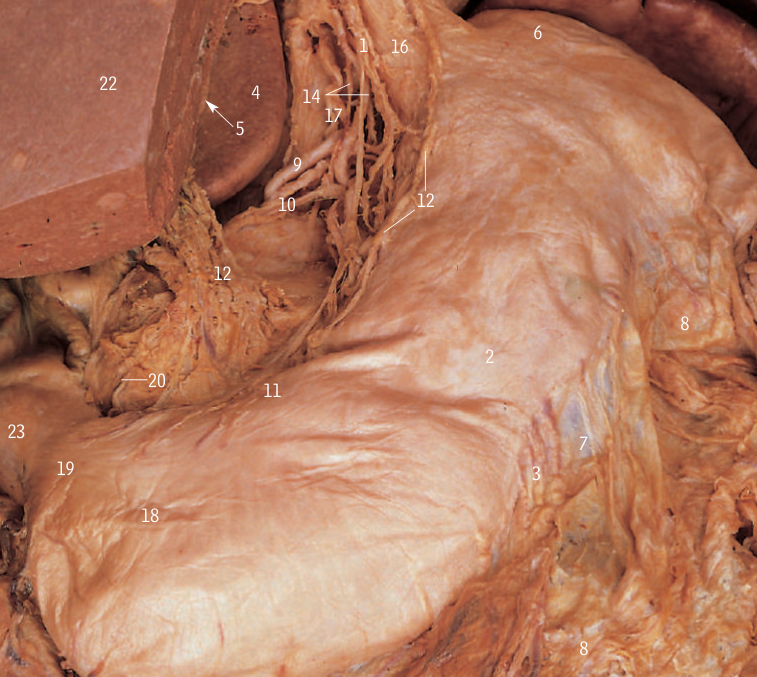
    spotter4.html
  • Mediastinum

    Spotter
    2
    1
    0 Votes
    2 Posts
    96 Views
    A
    spotter4.html
  • isb10 lung

    Spotter
    2
    1
    0 Votes
    2 Posts
    109 Views
    A
    [image: 1760565114719-37a900b4-4bc1-48e8-a383-3383167529fa-image.png]
  • Hand

    Spotter
    1
    1
    0 Votes
    1 Posts
    78 Views
    No one has replied
  • isb3 Vertebra

    Moved Spotter
    8
    2
    0 Votes
    8 Posts
    326 Views
    A
    anac1.html
  • isb8 heart

    Spotter
    1
    1
    0 Votes
    1 Posts
    56 Views
    No one has replied
  • isb5 Forearm Extensor muscles

    Moved Spotter
    2
    1
    0 Votes
    2 Posts
    537 Views
    A
    Left hand from behind [image: 1760103624953-9f4ae09c-23ed-4f41-907e-e8b42e8dac62-image.png] 11 Extensor pollicis brevis. 12 Extensor pollicis longus. 6 Extensor carpi radialis longus. [image: 1760103624953-9f4ae09c-23ed-4f41-907e-e8b42e8dac62-image.png] 5 Extensor carpi radialis brevis. 9 Extensor digitorum 10 Extensor indicis [image: 1760103624953-9f4ae09c-23ed-4f41-907e-e8b42e8dac62-image.png] 8 Extensor digiti minimi 14 First dorsal interosseous 16 Second dorsal interosseous answers[image: 1760103639333-44029a07-c8b5-4502-b891-25e7ee396749-image.png]
  • isb7 Lower Limb

    Moved Spotter
    3
    1
    0 Votes
    3 Posts
    225 Views
    A
    Anterior [image: 1757607222780-090205a8-dc19-4036-baa6-c265e07a8591-image.png] Spoiler [image: 1757606977748-a7046645-fb1e-41d8-9a6a-60a411ec8218-image.png] Posterior [image: 1757606627233-8bb534ad-b401-4a07-8b0c-8ee290285be8-image.png] Spoiler[image: 1757606789866-c65988de-927e-49f3-a303-5fab5b16c349-image.png]
  • isb1 Skull foramina

    Moved Spotter
    7
    1
    0 Votes
    7 Posts
    437 Views
    A
    What is 11 SpoilerTempral (inferior) horn of lateral ventricle 3 Third ventricle 4 Head of caudate nucleus
  • isb4 Humerus

    Moved Spotter
    3
    4
    0 Votes
    3 Posts
    128 Views
    A
    Right humerus lower end, A) Front B) Behind [image: 1760100719273-504353c4-52fc-4100-b8c5-d7b78397d7f0-image.png] 2 Capitulum. 5 Lateral epicondyle. 13 Trochlea. [image: 1760100719273-504353c4-52fc-4100-b8c5-d7b78397d7f0-image.png] 7 Medial epicondyle. 8 Medial supracondyle ridge 10 Olecranon fossa.
  • Larynx

    Moved Surgery
    1
    2
    0 Votes
    1 Posts
    153 Views
    No one has replied
  • nerves Facial

    Moved Surgery
    1
    1
    0 Votes
    1 Posts
    62 Views
    No one has replied