Salt isn't the problem in hypertension, chronically elevated leptin is - Nick Norwitz
-
For references and a written breakdown, see the associated Stay Curious Metabolism Newsletter: staycuriousmetabolism.substack.com/p/salt-vs-fat-rethinking-the-root-causes
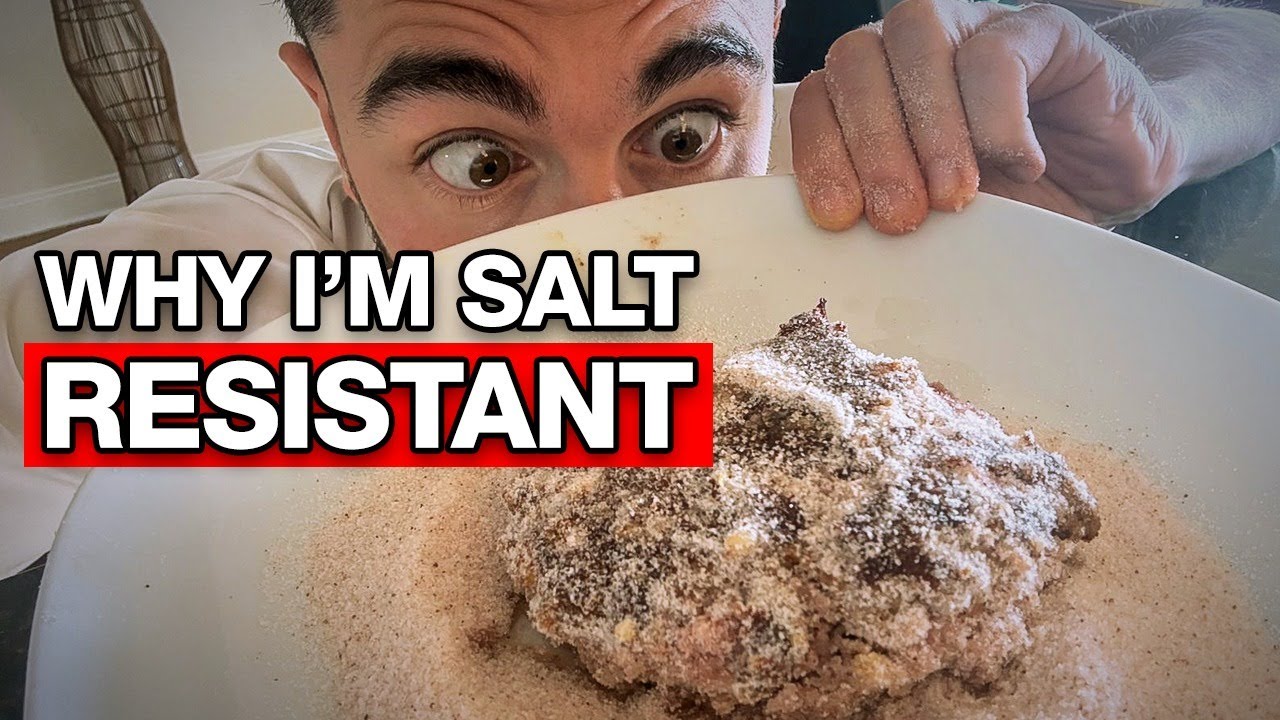
We’ve been told to restrict salt because it increases blood pressure, but what does the science actually say? In today’s video, we dive into the fascinating biology of salt sensitivity and salt resistance. It’s not simply about your genes, but rather your fat cells. I’m going to reveal the secret of salt sensitivity, backed by data from top journals like Cell Metabolism and NEJM. Get ready to learn how fat impacts your blood pressure, and why understanding this can challenge conventional advice from your cardiologist and nephrologist. Whether you're dealing with high blood pressure or curious about metabolic health, this breakthrough science could change the way you think about your health and your diet.
::: spoiler summerizer
Salt vs. fat- Salt restriction is common blood pressure guidance; obesity drives salt sensitivity.
Guideline target
- U.S. guideline target is ≤2.3 g sodium/day; some long-term cohorts link lower sodium with higher BP.
Body-fat → brain → kidney chain
- Adipose tissue functions as an endocrine organ; leptin rises with fat mass and raises blood pressure.
Hypothalamus control
- The hypothalamus coordinates sympathetic tone, hormones, thirst, and kidney sodium handling.
Obesogenic diet triggers the sequence
- A high-sugar/high-fat diet causes obesity; leptin rises; hypothalamic microvasculature remodels before BP rises.
Gliovascular remodeling mechanism
- Leptin signaling in brain tissue drives HIF1α and VEGF, increasing vessel density and thickening basement
membranes near the BBB.
Kidney consequences
- Higher sympathetic output plus altered renal signaling reduces sodium excretion, expanding volume and raising BP.
Human anchor: congenital leptin deficiency
- Severe obesity without leptin links to low/normal BP, separating fat mass from hypertension when leptin is absent.
Human anchor: salt sensitivity trial
- NEJM crossover: 15 g salt/day vs 1 g/day, 2 weeks each; only obese participants lower BP on low salt.
- Salt sensitivity falls with body-fat percentage; below ~30% body fat, salt sensitivity approaches zero.
Interpretation
- Obesity creates a salt-sensitive phenotype; salt becomes a lever only after adiposity-driven reprogramming.
- Salt resistance protects from obesity-related BP rise; salt restriction mainly helps salt-sensitive, higher-adiposity
states.
Reversibility
- In mice, weight loss reverses hypothalamic vascular remodeling and lowers BP.
Practical takeaways
- Target the fat–leptin–hypothalamus–kidney axis; use sodium targets as a secondary, phenotype-specific tool.
References
- [00:00] Salt vs. Fat: Rethinking the Root Causes of High Blood Pressure — http://staycuriousmetabolism.substack.com/p/salt-vs-fat-rethinking-the-root-causes
- [01:40] Dietary Guidelines for Americans, 2020-2025 — https://www.dietaryguidelines.gov/sites/default/files/2020-12/Dietary_Guidelines_for_Americans_2020-2025.pdf
- [01:50] Low Sodium Intakes are Not Associated with Lower Blood Pressure Levels among Framingham Offspring Study Adults — https://doi.org/10.1096/fasebj.31.1_supplement.446.6
- [02:48] Obesity-associated hyperleptinemia alters the gliovascular interface of the hypothalamus to elevate arterial pressure — https://doi.org/10.1016/j.cmet.2021.04.007
- [11:05] The Effect of Weight Loss on the Sensitivity of Blood Pressure to Sodium in Obese Adolescents — https://doi.org/10.1056/NEJM198908313210905
:::
-
For references and a written breakdown, see the associated Stay Curious Metabolism Newsletter: staycuriousmetabolism.substack.com/p/salt-vs-fat-rethinking-the-root-causes
We’ve been told to restrict salt because it increases blood pressure, but what does the science actually say? In today’s video, we dive into the fascinating biology of salt sensitivity and salt resistance. It’s not simply about your genes, but rather your fat cells. I’m going to reveal the secret of salt sensitivity, backed by data from top journals like Cell Metabolism and NEJM. Get ready to learn how fat impacts your blood pressure, and why understanding this can challenge conventional advice from your cardiologist and nephrologist. Whether you're dealing with high blood pressure or curious about metabolic health, this breakthrough science could change the way you think about your health and your diet.
::: spoiler summerizer
Salt vs. fat- Salt restriction is common blood pressure guidance; obesity drives salt sensitivity.
Guideline target
- U.S. guideline target is ≤2.3 g sodium/day; some long-term cohorts link lower sodium with higher BP.
Body-fat → brain → kidney chain
- Adipose tissue functions as an endocrine organ; leptin rises with fat mass and raises blood pressure.
Hypothalamus control
- The hypothalamus coordinates sympathetic tone, hormones, thirst, and kidney sodium handling.
Obesogenic diet triggers the sequence
- A high-sugar/high-fat diet causes obesity; leptin rises; hypothalamic microvasculature remodels before BP rises.
Gliovascular remodeling mechanism
- Leptin signaling in brain tissue drives HIF1α and VEGF, increasing vessel density and thickening basement
membranes near the BBB.
Kidney consequences
- Higher sympathetic output plus altered renal signaling reduces sodium excretion, expanding volume and raising BP.
Human anchor: congenital leptin deficiency
- Severe obesity without leptin links to low/normal BP, separating fat mass from hypertension when leptin is absent.
Human anchor: salt sensitivity trial
- NEJM crossover: 15 g salt/day vs 1 g/day, 2 weeks each; only obese participants lower BP on low salt.
- Salt sensitivity falls with body-fat percentage; below ~30% body fat, salt sensitivity approaches zero.
Interpretation
- Obesity creates a salt-sensitive phenotype; salt becomes a lever only after adiposity-driven reprogramming.
- Salt resistance protects from obesity-related BP rise; salt restriction mainly helps salt-sensitive, higher-adiposity
states.
Reversibility
- In mice, weight loss reverses hypothalamic vascular remodeling and lowers BP.
Practical takeaways
- Target the fat–leptin–hypothalamus–kidney axis; use sodium targets as a secondary, phenotype-specific tool.
References
- [00:00] Salt vs. Fat: Rethinking the Root Causes of High Blood Pressure — http://staycuriousmetabolism.substack.com/p/salt-vs-fat-rethinking-the-root-causes
- [01:40] Dietary Guidelines for Americans, 2020-2025 — https://www.dietaryguidelines.gov/sites/default/files/2020-12/Dietary_Guidelines_for_Americans_2020-2025.pdf
- [01:50] Low Sodium Intakes are Not Associated with Lower Blood Pressure Levels among Framingham Offspring Study Adults — https://doi.org/10.1096/fasebj.31.1_supplement.446.6
- [02:48] Obesity-associated hyperleptinemia alters the gliovascular interface of the hypothalamus to elevate arterial pressure — https://doi.org/10.1016/j.cmet.2021.04.007
- [11:05] The Effect of Weight Loss on the Sensitivity of Blood Pressure to Sodium in Obese Adolescents — https://doi.org/10.1056/NEJM198908313210905
:::
When I first started keto my blood pressure improved into the optimal range while I was still quite obese, so the diet and obesity combined are the hypertension triggers, remove one... and you dont have the other.
-
When I first started keto my blood pressure improved into the optimal range while I was still quite obese, so the diet and obesity combined are the hypertension triggers, remove one... and you dont have the other.
I was not obese when I was prediabetic, but I had hypertension of around 150/100 on a good day. I had the same experience you did, however. When I started keto my BP dropped to around 130/80 and now it hovers around 110/60 on carnivore. My physician was very surprised.
I salt my food liberally. I've read that chronically elevated insulin levels correlated strongly with salt sensitivity to blood pressure, and in my case that certainly seemed true.
-
I was not obese when I was prediabetic, but I had hypertension of around 150/100 on a good day. I had the same experience you did, however. When I started keto my BP dropped to around 130/80 and now it hovers around 110/60 on carnivore. My physician was very surprised.
I salt my food liberally. I've read that chronically elevated insulin levels correlated strongly with salt sensitivity to blood pressure, and in my case that certainly seemed true.
Yeah I'm sure there is a strong correlation between hyperinsulinemia and elevated leptin
Plus people get fat in the wrong places far before they consider themselves obese, i.e. visceral fat.