Skip to content

Anatomy

47 Topics 121 Posts

This category can be followed from the open social web via the handle anatomy@isurg.org

  • SpotterApp

    Pinned Moved
    2
    0 Votes
    2 Posts
    155 Views
    A
    spotter11.html
  • Upper body

    7
    1
    0 Votes
    7 Posts
    102 Views
    A
    [image: 1779298315620-cubfossa.png]
  • Mediastinum

    Moved
    3
    1
    0 Votes
    3 Posts
    155 Views
    A
    [image: 1779005944198-9db02420-bf6e-43f3-8a9b-c9bfaad919fb-image.jpeg]
  • isb2 Neck

    Moved
    7
    2
    0 Votes
    7 Posts
    319 Views
    A
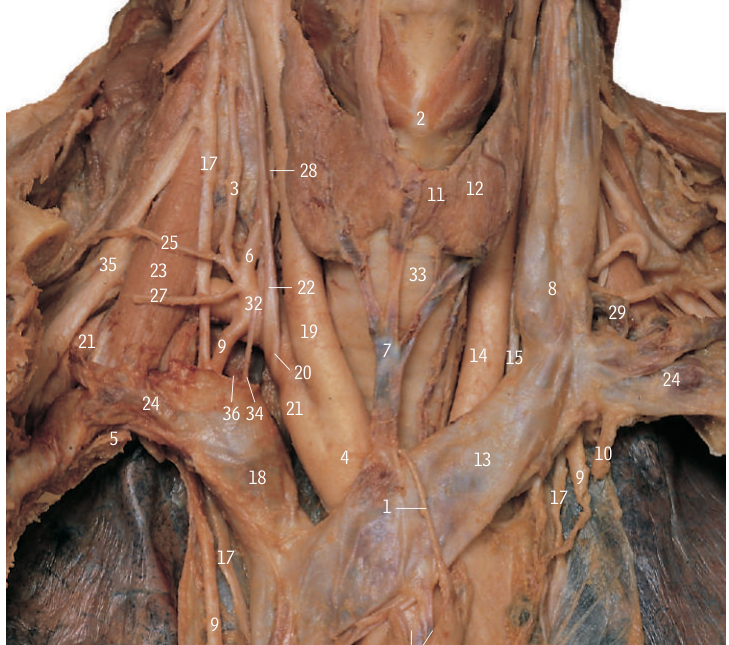
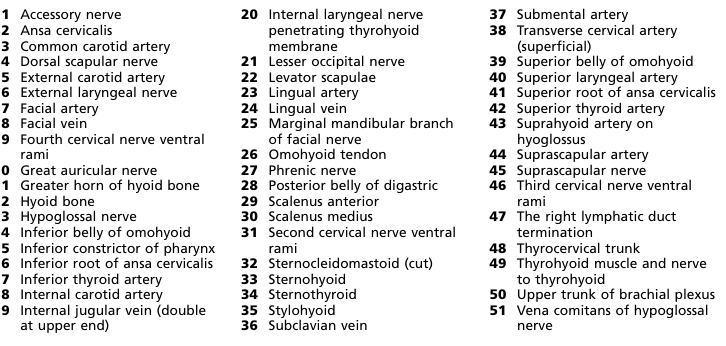
    [image: 1778969321518-f423586a-8ceb-42d6-bcda-199c2d3f28af-image.jpeg]
  • Mock 17 - Thyroid Gland

    3
    1
    0 Votes
    3 Posts
    74 Views
    A
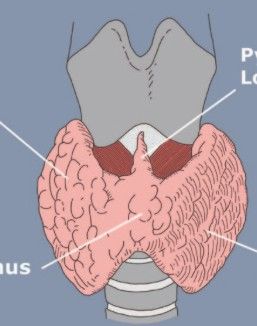
    [image: 1778924612609-91ebc8a4-05ca-4196-a07c-8555852f7fc0-image.jpeg]
  • Mock 3a Shoulder and (3b hip)

    4
    2
    0 Votes
    4 Posts
    71 Views
    A
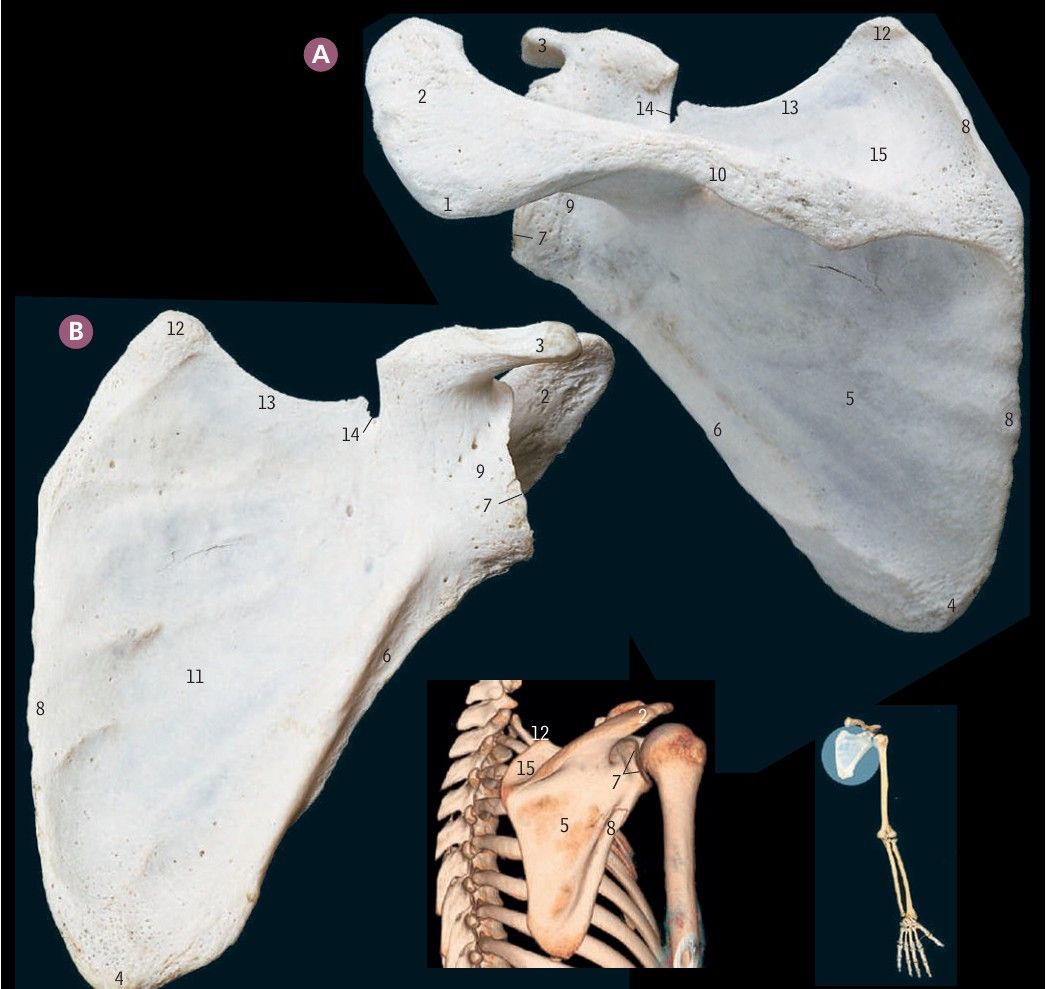
    [image: 1778922029210-975d2572-6a94-4958-99b5-c4fb61ed41a7-image.jpeg]
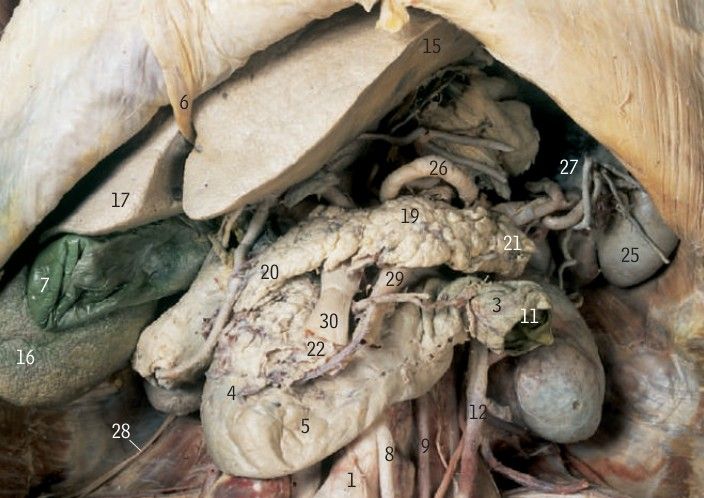
  • Duodenum and Pancreas

    2
    1
    0 Votes
    2 Posts
    17 Views
    A
    [image: 1778253457060-cf71d448-7cbc-48e9-be0e-77c47b932fc4-image.jpeg]
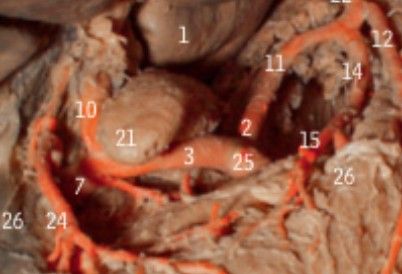
  • Celiac Trunk

    3
    1
    0 Votes
    3 Posts
    9 Views
    A
    [image: 1778246409589-88af0987-99c1-4a09-899d-b65bf3c9669e-image.jpeg]
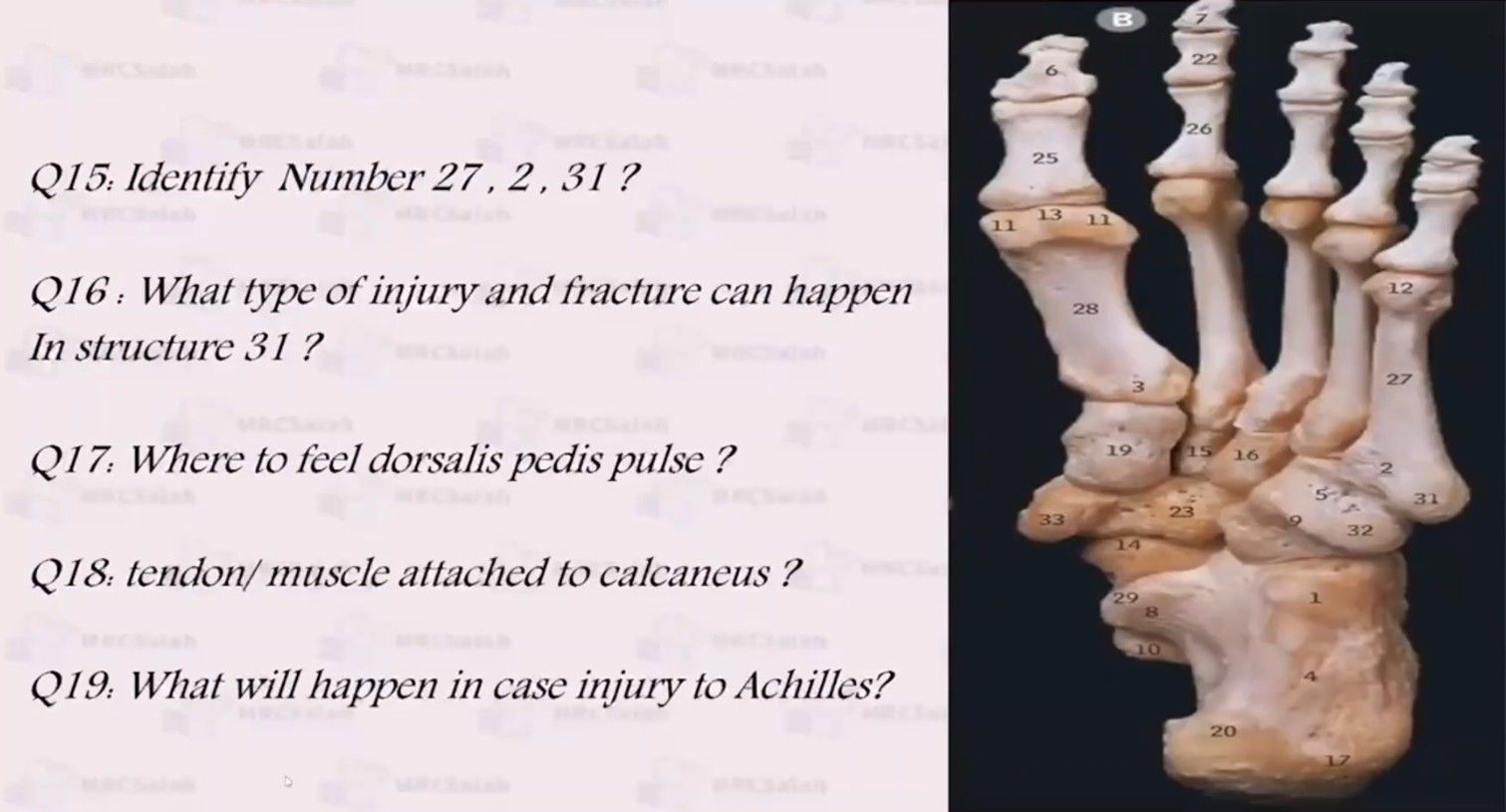
  • Mock -video Foot

    1
    1
    0 Votes
    1 Posts
    113 Views
    No one has replied
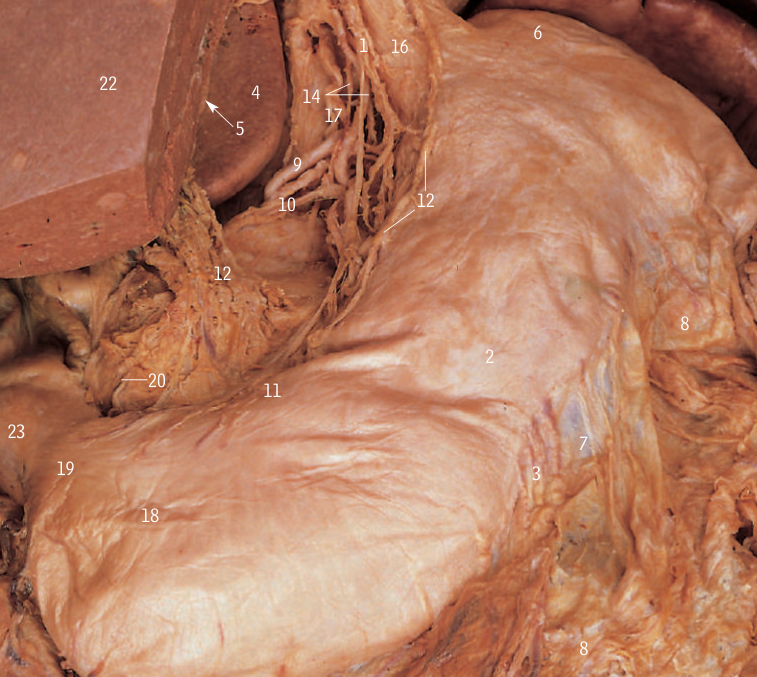
  • Mock 2 Stomach

    Moved
    3
    1
    0 Votes
    3 Posts
    214 Views
    A
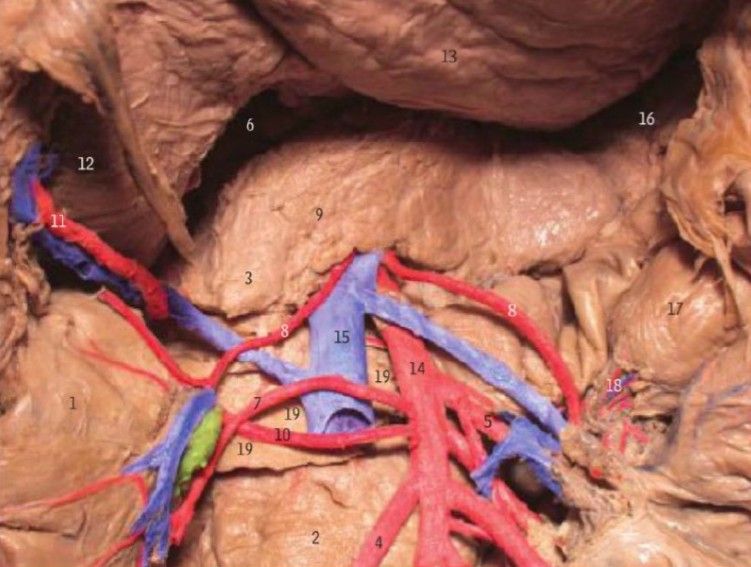
    Blood supply of pancreas?ArterialVenous<ul><li>Superior pancreaticoduodenal artery (from gastroduodenal artery) supply head</li><li>Inferior pancreaticoduodenal artery (from SMA) supply head & uncinate process</li><li>Pancreatic branches (from splenic artery) supply tail & body</li></ul><ul><li>Superior pancreaticoduodenal vein</li><li>Inferior pancreaticoduodenal vein</li><li>Veins drain to splenic vein</li></ul> Course of splenic arteryArise from celiac, pass above pancreas, behind stomach (separated from it by lesser sac), lienorenal ligament then ends by terminal branch in splenic hilum. Describe ductal drainage system of pancreas?Main pancreatic duct (of Wirsung):drains head, body and tail $\rightarrow$ opens into major duodenal papilla.Accessory pancreatic duct (of Santorini):drains the uncinate process $\rightarrow$ opens into minor duodenal papilla. Vessel presents behind body of pancreas?Splenic vein Space between stomach and pancreas?Lesser sac Vessel present behind neck?Portal vein Peritoneal relations of the duodenum?The first part of the duodenum lies within the peritoneum, but its other parts are retroperitoneal. Vessels present in front and behind the third part of duodenum?In frontSuperior mesenteric artery & veinBehindIVCAortaRight gonadal vein Hepatic artery runs in which part of peritoneum?Lesser omentum
  • Mock1 RTA Neck

    3
    0 Votes
    3 Posts
    62 Views
    A
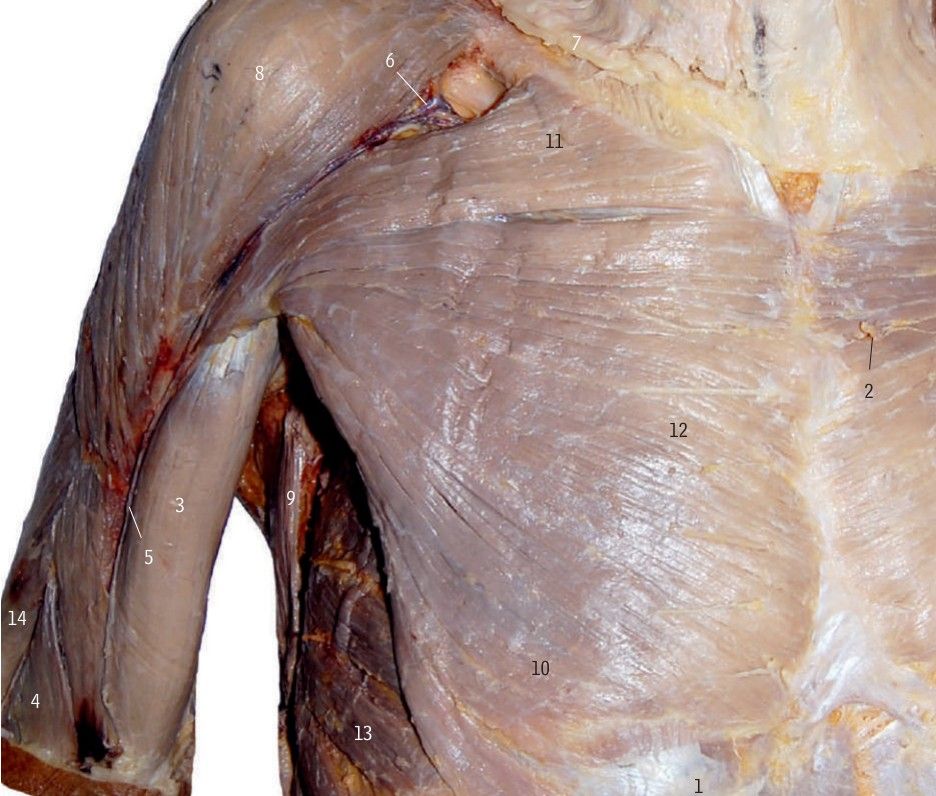
    Rotators of the scapula, origin, insertion & nerve supply? Upward rotators -Trapezius -Serratus anterior Downward rotators -Rhomboids minor -Rhomboids major Levator scapulae Muscle Origin Insertion Action Innervation Trapezius SP C7-T12 Clavicle, scapula (acromion, SP) Rotating scapula Cranial nerve XI Serratus anterior Ribs 1-9 Scapula (ventral medial) Preventing winging Long thoracic nerve Latissimus dorsi SP T6-S5, ilium Humerus (ITG) Extending, adducting, internally rotating humerus Thoracodorsal nerve Rhomboid minor SP C7-T1 Scapula (medial spine) Adducting scapula Dorsal scapular nerve Rhomboid major SP T2-T5 Scapula (medial border) Adducting scapula Dorsal scapular nerve Levator scapulae Transverse process C1-C4 Scapula (superior medial) Elevating, rotating scapula C3, C4 nerves Brachioradialis muscle demonstrate on yourself action & NS: Action: Flex forearm Nerve Supply (NS): Radial nerve Show C5 reflex Biceps reflex Name three muscles supplied by musculocutaneous nerve. Nerve root. Muscles: BBC Biceps brachii Brachialis Coracobrachialis Nerve root: C5, C6, C7 External rotators of arm Supraspinatus Infraspinatus Teres minor Axillary nerve cutaneous Skin to the lower half of deltoid Axillary nerve muscle supply Deltoid Teres minor Shoulder abductor muscles? Supraspinatus (0−15 ) Deltoid (middle fibres) (15−90 ) Trapezius and serratus anterior (over 90 ): which will require upward rotation of the scapula with lateral rotation of the humerus.
  • Mock4 - Foot and ankle

    2
    0 Votes
    2 Posts
    60 Views
    A
    Structures behind medial malleolus? Mnemonic: Tom Does Very Nice Hats Tibialis posterior tendon Flexor Digitorum longus posterior tibial Vessels posterior tibial Nerve Hallucis longus (Flexor) Identify structure number 12 on the XR:Sustentaculum tali [image: 1774873069532-c5fb34b2-5f30-497e-a458-327738cfc48b-image.jpeg] What is the component of ankle joint? Tibia Fibula Talus What is the type of this joint?Synovial hinge joint [image: 1774872996205-e65126fc-f271-4426-94f8-c444d7a0cc53-image.jpeg] Movements of this joint? Plantarflexion Dorsiflexion At which movement is it more stable? Why? Ankle joint is most stable in dorsiflexion, because the talus is wider anteriorly and narrower posteriorly. (Note: In dorsiflexion, the wider anterior part of the talar trochlea wedges tightly into the mortise formed by the tibia and fibula.) Components of subtalar joint? Talus and calcaneus What are the movements at the joint? Inversion and eversion of foot Identify the Deltoid ligament, calcaneofibular ligament, posterior talofibular ligament: SpoilerDeltoid ligament (6) Calcaneofibular ligament (3) Posterior talofibular ligament (19) Demonstrate pulses of the foot?The dorsalis pedis pulse is found between the first two metatarsal bones. The posterior tibial pulse is found 2cm-3cm below and behind the medial malleolus. What does the midtarsal joint do?The midtarsal joint, consisting of the talonavicular and the calcaneocuboid joints, is presumed to be responsible for the foot being both flexible and rigid during different parts of the stance phase of gait.
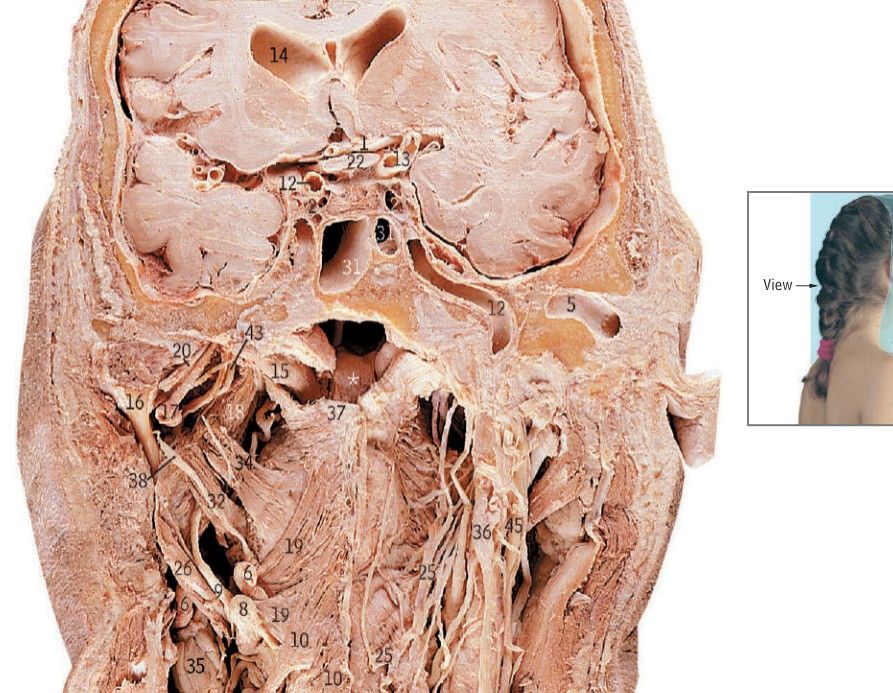
  • Mock 18 - Parotid Gland

    1
    2
    0 Votes
    1 Posts
    43 Views
    No one has replied
  • Posterior pharyngeal wall

    2
    1
    0 Votes
    2 Posts
    89 Views
    A
    [image: 1773749810414-faeb2c16-0673-4ec3-aea9-7f44aae36a70-image.jpeg]
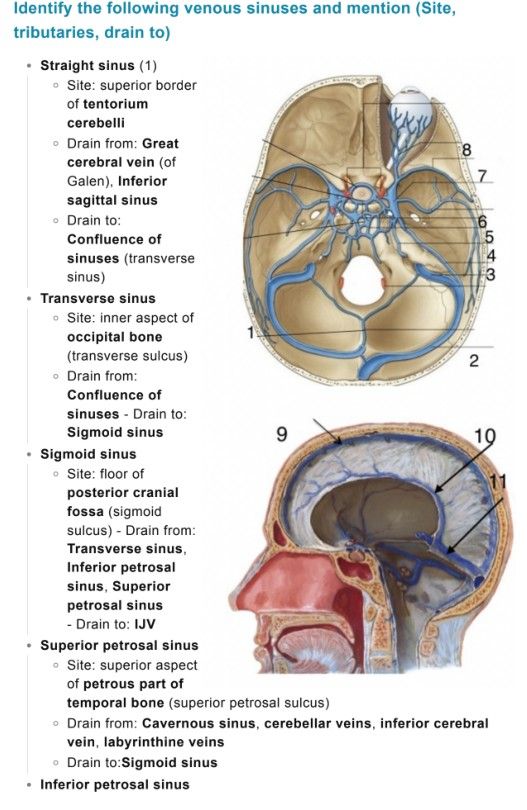
  • Sinuses

    7
    1
    0 Votes
    7 Posts
    144 Views
    A
    [image: 1773745551198-399c1ec7-4356-478f-919c-abadf5f185c1-image.jpeg]
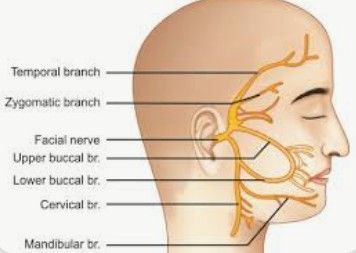
  • nerves Facial

    Moved
    3
    1
    0 Votes
    3 Posts
    135 Views
    A
    [image: 1773737846017-facenerv.png]
  • Pancreas

    3
    1
    0 Votes
    3 Posts
    67 Views
    A
    describe development of pancreas The pancreas develops from two endodermal buds of the foregut: Dorsal pancreatic bud → forms most of the pancreas: body, tail, and part of the head. Ventral pancreatic bud → forms the uncinate process and inferior/posterior part of the head. During development, the ventral bud rotates posteriorly with the bile duct around the duodenum and fuses with the dorsal bud. Duct formation: Main pancreatic duct (duct of Wirsung) = ventral duct + distal part of dorsal duct Accessory pancreatic duct (duct of Santorini) = proximal part of dorsal duct Opening into duodenum: Main duct joins the common bile duct → opens at the major duodenal papilla. Accessory duct may open at the minor duodenal papilla. [image: 1773989803488-d4d51eaf-1914-4bef-b547-4fce2a4566c9-image.jpeg]
  • Anatomy station Transpyloric plane

    2
    0 Votes
    2 Posts
    52 Views
    A
    [image: 1773646916929-cc9d7f80-65ed-4837-9da6-59a0f2c892fa-image.jpeg]
  • Shoulder from below

    2
    1
    0 Votes
    2 Posts
    56 Views
    A
    [image: 1773365269851-5f6d235f-e5fc-473c-ac1c-cfc3aede242e-image.jpeg]
  • Mixed questions drive file

    Moved
    1
    0 Votes
    1 Posts
    42 Views
    No one has replied