Breakthrough convenient kidney stone treatment | VCH Research Institute

-
TLDR: the current treatment requires anesthesia, a ride home, bowel prep with laxatives and clear liquid diet, and it is painful once the stones come out. The new procedure doesn't require anesthesia or bowel prep, patients can drive home alone after a 30 minute treatment, and the patient reports that there is "no real pain" when the stones come out. The article suggests this is because the stones are whittled down to be smaller than the current treatment can do.
Some excerpts:
Now 67 years old, Chiquita has been a regular patient at the Stone Centre at Vancouver General Hospital, receiving screenings and treatment for recurrent kidney stones. Surgical removal is the last resort in kidney stone treatment; so, after his first procedure, Chiquita has mostly received a treatment called extracorporeal shock wave lithotripsy (ESWL).
ESWL directs many intense bursts of acoustic sound waves — between 60 to 120 per minute — to each stone to break it apart from the inside out. Because of its intensity, the treatment requires sedation and accompaniment home from the hospital. Patients must also take a laxative and follow a clear liquid diet prior to the procedure.
“The bowel prep the day before was awful,” says Chiquita, who has received dozens of these treatments over the years. “After ESWL, the stones would come out in a couple of days. If they came out all at once, the pain was over a 10 out of 10.”
When Chiquita was approached by Stone Centre urologist and Vancouver Coastal Health Research Institute researcher Dr. Ben Chew about a new procedure called Break Wave Lithotripsy (BWL), he was intrigued and signed up to participate in the first ever clinical trial of the novel technology, led by Chew.
“Dr. Chew told me that, with Break Wave, there is no need for anesthesia, bowel prep or X-ray; so, I said: ‘sign me up!’” Chiquita recalls.
Because BWL uses low-intensity sound waves, anesthesia is not required. Patients can drive themselves to and from the hospital, with the procedure lasting around 30 minutes. Clinicians use non-radiating ultrasound imaging, with BWL able to piggyback on existing ultrasound machines, making the technology smaller and more portable than ESWL equipment, which is only available at certain hospitals.
“BWL has potential applications in rural and remote communities that do not have access to the larger, dedicated machines needed to perform ESWL,” notes Chew. “For BWL, we can replace the diagnostic generator component of existing ultrasound machines with a therapeutic one used to send ultrasonic waves to treat the stones.”
BWL whittles down stones from the outside in, carving larger stones into smaller pieces that are easier to pass.
“With BWL, the stones seemed to come out one or two weeks later and with no real pain,” Chiquita shares.
While Chiquita was thrilled with the procedure and its overall results, there was a downside: having to hold his breath for extended periods of time.
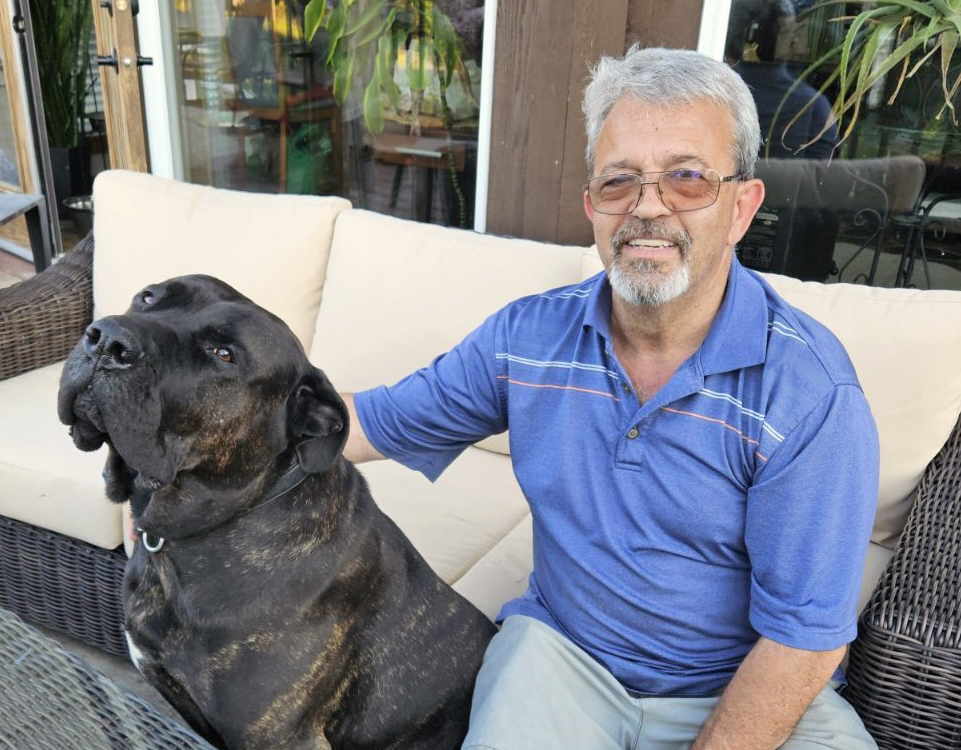
Early access to breakthrough, convenient kidney stone treatment | VCH Research Institute
Manny Chiquita will never forget the first time he experienced the symptoms of kidney stones. It happened in the early 1990s while Chiquita was enjoying a round of golf in Tsawwassen, B.C. “I peed blood and ignored it,” he recalls. “I told myself that, if it happened again, I would see a doctor.” Two months later, the symptom recurred. The father of two then young children visited his family doctor for a checkup, fearing the worst.
(www.vchri.ca)
-
TLDR: the current treatment requires anesthesia, a ride home, bowel prep with laxatives and clear liquid diet, and it is painful once the stones come out. The new procedure doesn't require anesthesia or bowel prep, patients can drive home alone after a 30 minute treatment, and the patient reports that there is "no real pain" when the stones come out. The article suggests this is because the stones are whittled down to be smaller than the current treatment can do.
Some excerpts:
Now 67 years old, Chiquita has been a regular patient at the Stone Centre at Vancouver General Hospital, receiving screenings and treatment for recurrent kidney stones. Surgical removal is the last resort in kidney stone treatment; so, after his first procedure, Chiquita has mostly received a treatment called extracorporeal shock wave lithotripsy (ESWL).
ESWL directs many intense bursts of acoustic sound waves — between 60 to 120 per minute — to each stone to break it apart from the inside out. Because of its intensity, the treatment requires sedation and accompaniment home from the hospital. Patients must also take a laxative and follow a clear liquid diet prior to the procedure.
“The bowel prep the day before was awful,” says Chiquita, who has received dozens of these treatments over the years. “After ESWL, the stones would come out in a couple of days. If they came out all at once, the pain was over a 10 out of 10.”
When Chiquita was approached by Stone Centre urologist and Vancouver Coastal Health Research Institute researcher Dr. Ben Chew about a new procedure called Break Wave Lithotripsy (BWL), he was intrigued and signed up to participate in the first ever clinical trial of the novel technology, led by Chew.
“Dr. Chew told me that, with Break Wave, there is no need for anesthesia, bowel prep or X-ray; so, I said: ‘sign me up!’” Chiquita recalls.
Because BWL uses low-intensity sound waves, anesthesia is not required. Patients can drive themselves to and from the hospital, with the procedure lasting around 30 minutes. Clinicians use non-radiating ultrasound imaging, with BWL able to piggyback on existing ultrasound machines, making the technology smaller and more portable than ESWL equipment, which is only available at certain hospitals.
“BWL has potential applications in rural and remote communities that do not have access to the larger, dedicated machines needed to perform ESWL,” notes Chew. “For BWL, we can replace the diagnostic generator component of existing ultrasound machines with a therapeutic one used to send ultrasonic waves to treat the stones.”
BWL whittles down stones from the outside in, carving larger stones into smaller pieces that are easier to pass.
“With BWL, the stones seemed to come out one or two weeks later and with no real pain,” Chiquita shares.
While Chiquita was thrilled with the procedure and its overall results, there was a downside: having to hold his breath for extended periods of time.
Early access to breakthrough, convenient kidney stone treatment | VCH Research Institute
Manny Chiquita will never forget the first time he experienced the symptoms of kidney stones. It happened in the early 1990s while Chiquita was enjoying a round of golf in Tsawwassen, B.C. “I peed blood and ignored it,” he recalls. “I told myself that, if it happened again, I would see a doctor.” Two months later, the symptom recurred. The father of two then young children visited his family doctor for a checkup, fearing the worst.
(www.vchri.ca)
Hmm. Show me it can treat calcaneal growth and I'm in!
