Scientists uncovered the nutrients bees were missing — Colonies surged 15-fold
-
Using CRISPR-Cas9, scientists engineered a yeast to produce the nutrient feed. Farmers could have it in two years.
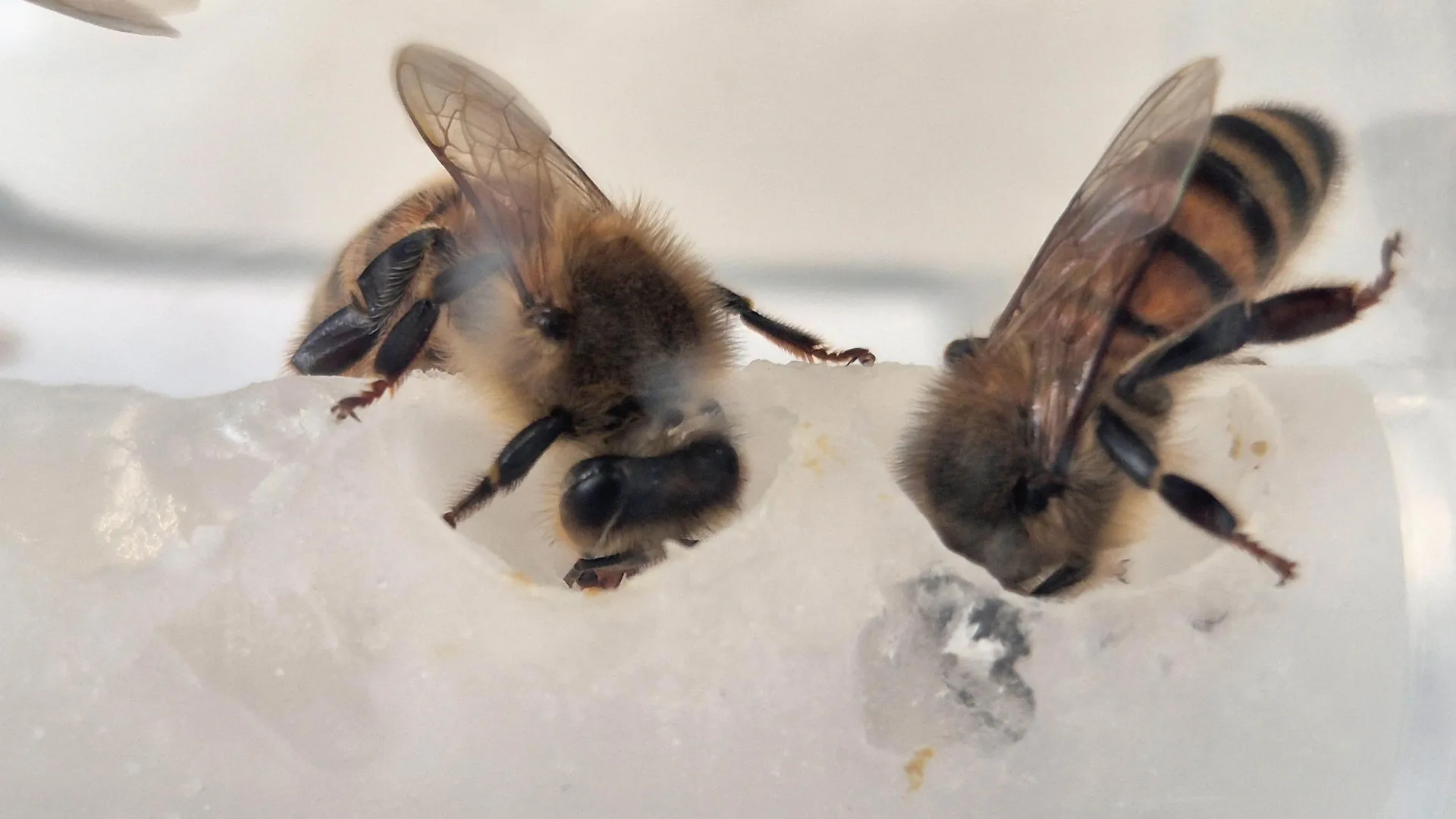
Scientists uncovered the nutrients bees were missing — Colonies surged 15-fold
Scientists have developed a breakthrough “superfood” for honeybees by engineering yeast to produce the essential nutrients normally found in pollen. In controlled trials, colonies fed this specially designed diet produced up to 15 times more young, showing a dramatic boost in reproduction and overall health. As climate change and modern agriculture reduce the availability of natural pollen, this innovation could offer a practical way to support struggling bee populations.
ScienceDaily (www.sciencedaily.com)
-
Using CRISPR-Cas9, scientists engineered a yeast to produce the nutrient feed. Farmers could have it in two years.
Scientists uncovered the nutrients bees were missing — Colonies surged 15-fold
Scientists have developed a breakthrough “superfood” for honeybees by engineering yeast to produce the essential nutrients normally found in pollen. In controlled trials, colonies fed this specially designed diet produced up to 15 times more young, showing a dramatic boost in reproduction and overall health. As climate change and modern agriculture reduce the availability of natural pollen, this innovation could offer a practical way to support struggling bee populations.
ScienceDaily (www.sciencedaily.com)
The solution is so simple. Crop/pollen diversity. Instead of letting fields lay fallow for crop rotation, they could plant diverse wildflower meadows to improve quality of bee health for the traveling bees that get shipped around for crop rotation. Or the bee keepers themselves that sell the services of their bees, could ensure diverse flower and pollen options when their bees aren't traveling.
-
The solution is so simple. Crop/pollen diversity. Instead of letting fields lay fallow for crop rotation, they could plant diverse wildflower meadows to improve quality of bee health for the traveling bees that get shipped around for crop rotation. Or the bee keepers themselves that sell the services of their bees, could ensure diverse flower and pollen options when their bees aren't traveling.
Instead of letting fields lay fallow for crop rotation, they could plant diverse wildflower meadows to improve quality of bee health for the traveling bees that get shipped around for crop rotation.
I can see a potential problem with this suggestion. How many of those wildflowers are net nitrogen fixers? If they are net-negative this approach could be draining all the nitrogen out of the soil during off-rotation years meaning large amounts of petrochemical fertilizer would have to be used to make the field productive again for nitrogen consuming crops (like wheat and corn).

Hello! It looks like you're interested in this conversation, but you don't have an account yet.
Getting fed up of having to scroll through the same posts each visit? When you register for an account, you'll always come back to exactly where you were before, and choose to be notified of new replies (either via email, or push notification). You'll also be able to save bookmarks and upvote posts to show your appreciation to other community members.
With your input, this post could be even better 💗
Register Login